Hedge Trimming in Lambeth

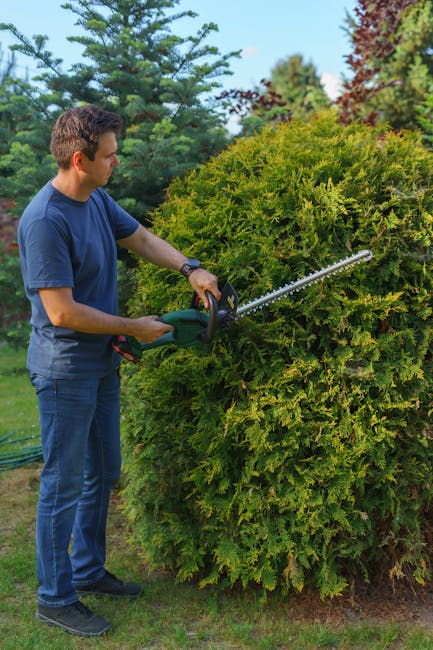
Hedge trimming in Lambeth helps keep garden boundaries neat, manageable and suited to the space they frame. Our service focuses on careful cutting, shaping and tidy finishing for hedges that have become uneven, too broad or simply difficult to keep in hand. We work with the structure of each hedge rather than forcing a single look, so the result can suit a front garden boundary, a back garden screen or a more formal planted edge.
For many properties, regular hedge care is the difference between a garden that feels ordered and one that starts to swallow paths, windows or adjoining beds. We trim with attention to the hedge’s natural growth habit, the finish you want and the condition of the plant itself. That means making measured cuts, keeping lines consistent and leaving the work area as tidy as possible once the trimming is complete.
If you need hedge trimming that is straightforward and well judged, begin with the basics: the hedge type, its height, the access around it and the finish you would like. Clear details lead to a better quotation, and they also help shape the right approach for the job. You can use the pages below to explore the wider services we provide and then request a quote in your own time.
Trimming for shape, height and thickness
Good hedge trimming is not only about reducing size. It also manages density, supports even growth and helps keep the hedge in a shape that suits the property. A hedge left for too long may need more than a simple tidy cut, especially where the top has spread outward, the sides have become hollow or the front edge has drifted beyond its intended line. Careful trimming can restore definition without making the hedge look harsh or stripped back.
We approach each hedge as a living boundary with its own needs. Some hedges benefit from a light, regular cut that maintains crisp lines. Others need a more considered reduction to bring them back within bounds. In either case, the goal is to keep the hedge healthy-looking and balanced. A neat finish often depends on choosing the right point to cut, keeping the profile consistent and avoiding rushed work that leaves ragged edges behind.
What the trimming work can include
Depending on the hedge and access, the service may include side reduction, top levelling, careful shaping around openings and attention to awkward corners where growth has pushed out unevenly. We also remove the waste created by the cut so the garden is left ready for everyday use again. Where a hedge runs close to paving, fencing or planting, the trimming is done with extra care to avoid unnecessary disturbance.
Regular hedge maintenance and seasonal control
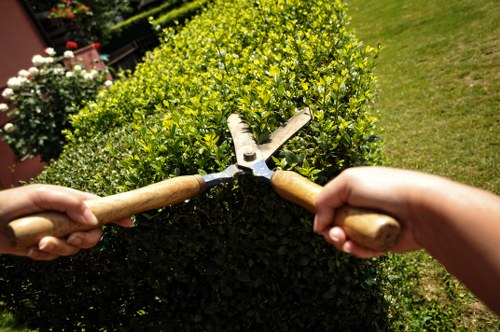
Many customers prefer hedge trimming to be part of a wider pattern of maintenance rather than a one-off rescue job. Regular cutting helps prevent an established hedge from becoming too heavy, too wide or difficult to manage in a single visit. It can also make later work simpler, because the hedge is kept within a more predictable shape and size. That is especially useful where a hedge borders a narrow path, driveway edge or shared boundary.
Seasonal growth can vary a great deal, so the right timing for maintenance depends on the hedge type and the way it is used in the garden. Some hedges are best kept in sharper form, while others can be left to soften slightly between visits. A sensible maintenance pattern balances appearance with the plant’s ability to recover and continue growing well. The aim is always to keep the hedge functional, attractive and suitable for the space it occupies.
- Routine trimming to maintain a clean outline
- Reduction of overgrown sides and tops
- Ongoing control for boundary hedges
- Tidy removal of cuttings after the work
Hedges that need a more careful reduction
Not every hedge simply needs a light tidy. Some have grown beyond their intended size, while others have been neglected long enough that their shape has become uneven or awkward. In those cases, a more careful reduction may be appropriate. This needs judgement, because cutting back too much at once can leave the hedge looking bare or stressed. A measured reduction aims to improve the hedge’s size and outline while respecting the limits of the plant.
Where a hedge has outgrown its space, the work may involve reducing the width gradually, lifting the height in a controlled way or bringing the front line back to a clearer edge. Sometimes the best result is reached over more than one visit, especially if the hedge is thick or has grown in a particularly irregular way. We can discuss the current condition and the most practical finish before the work is arranged.
For a clearer comparison between routine care and a fuller reduction, you may find it helpful to review our services overview before asking for a quotation.
Access, boundaries and neat finishing
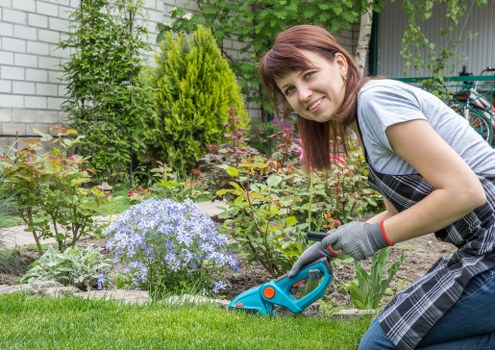
Hedge trimming often looks simple from a distance, but the practical side matters. Access can be limited by garden width, parked vehicles, sheds, fencing, planting beds or nearby paving. Boundaries may also need special care where a hedge sits close to a neighbour’s side, overhangs a public path or grows near delicate garden features. Working steadily and with control helps reduce disruption while still producing a crisp finish.
Good finishing includes more than the cut itself. The hedge should look evenly shaped from the viewpoint that matters most, whether that is the street side, the garden side or both. Cuttings should be gathered and cleared away, and any remaining details around the base or corners should be dealt with so the hedge does not look half-finished. In many gardens, it is this final attention that makes the overall result feel properly complete.
When you are preparing to enquire, it helps to think about the hedge’s approximate length, whether it is one side or several sides, and whether access is straightforward. Those practical points make quotation work more accurate and help us judge the most suitable way to carry out the trim. A concise description is usually enough to begin.
Supporting garden presentation beyond the hedge line
Hedge trimming often forms part of a wider approach to keeping outdoor spaces tidy and purposeful. When the hedge is the main boundary feature, its condition has a strong effect on the rest of the garden. A well-cut hedge can sharpen the look of planting beds, improve the sense of order along paths and reduce the feeling that growth has started to sprawl beyond its place. It is a practical way to restore structure without changing the garden’s character.
Some customers choose to combine hedge work with other light garden care so the whole space can be brought back into better balance. Where suitable, this might mean arranging trimming alongside mowing, wider garden maintenance or selective clearance of overgrowth. The benefit is a more coordinated finish, with the main edge features and the surrounding garden working together rather than looking separately managed.
Useful related services
Our wider garden services include garden maintenance, lawn mowing and garden clearance. Each has a different purpose, but they can complement hedge care where the garden needs more than one task completing in the same visit.
Choosing the right service for your hedge
Different hedges call for different levels of attention, and it helps to be clear about what you want the finished result to achieve. Some customers mainly want a tidy outline to keep a hedge under control. Others want the hedge brought back from a broader, heavier state into something more proportionate. In a few cases, the task is less about aesthetics and more about keeping light, access or visibility in better order around the garden or boundary.
When deciding what to request, it is useful to think about the hedge’s current condition, how often it has been cut and whether the work should be mainly a trim or a more substantial reduction. A hedge with dense growth along the top may need a different approach from one that has thin side growth but has simply become too tall. The clearer the brief, the easier it is to recommend a suitable approach and quotation.
If you are comparing options, you can also read more about how pricing is approached on our pricing and quotes page before sending your details.
Quotations and practical information

Quotation requests are most helpful when they describe the hedge clearly. A few short notes about the hedge type, rough dimensions, access and the level of work needed can be enough to start. If there are boundary concerns, awkward sections or areas where the hedge is especially high or wide, mention those as well. That allows the quotation to reflect the real scope of the work rather than a rough guess based on a single feature.
Photos can also be useful when they show the hedge from a couple of angles, especially if there is a long run, a corner or an area that has grown unevenly. If the hedge forms part of a larger garden job, it helps to say whether you want only the hedge trimmed or whether you are also looking at other outdoor maintenance. Keep the request focused on the actual work so the quotation can be matched to it cleanly.
For arrangements, scope questions or a quotation request, please use our contact page. A simple message is enough to begin, and it is often the quickest way to move from initial enquiry to a practical estimate.
Hedge trimming with surrounding garden work
Some gardens benefit from hedge trimming as part of a broader tidying plan rather than as a stand-alone task. That can be useful where the hedge is one part of a larger layout involving lawns, planted borders, timber edging or paved routes through the space. A trimmed hedge can lift the whole appearance of the garden, but the effect is strongest when other visible areas are also in reasonable order. In that sense, hedge care often supports the overall presentation of the outside space.
Where the scope justifies it, we may discuss related tasks such as selective garden clearance, light landscaping work or simple maintenance to help the rest of the garden sit better alongside the trimmed hedge. This should always be based on the actual condition of the garden and the work requested. The important thing is to keep the plan practical, so each part of the job contributes to a clean and manageable finish without unnecessary extra steps.
To see the range of garden and landscape services available, you can also visit the landscaping and landscape gardening pages.
About Lambeth
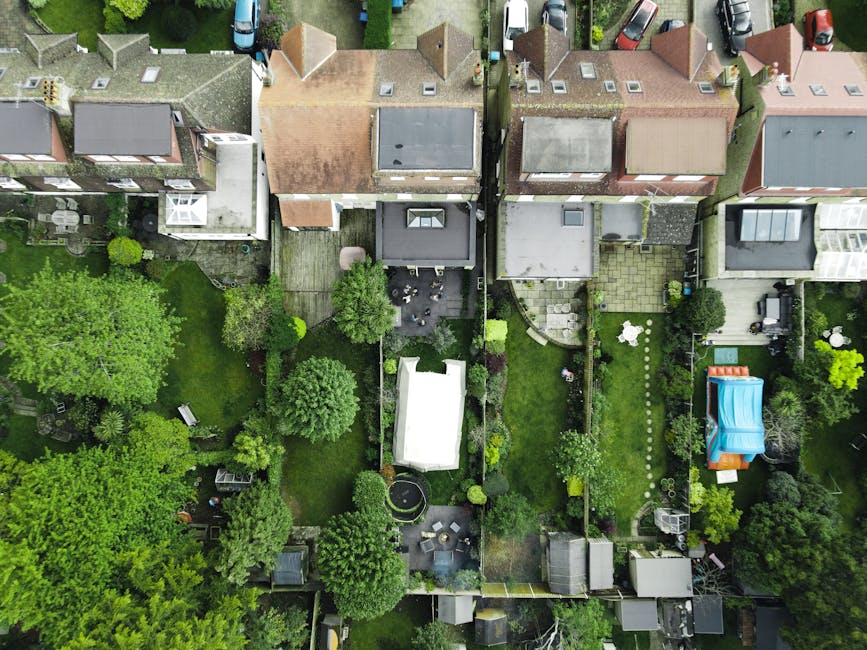
Lambeth is a south London borough shaped by a long stretch of the River Thames and a mix of residential districts, civic buildings and cultural landmarks. Its river frontage includes well-known places such as Vauxhall, Lambeth, Waterloo and Brixton’s wider urban connections, while the borough as a whole extends inland through neighbourhoods with distinct characters and high levels of architectural variety. Among its notable institutions is Lambeth Palace, the London residence of the Archbishop of Canterbury, set close to the river opposite Westminster. The area also includes the South Bank’s cultural attractions at its northern edge, making parts of Lambeth closely linked with London’s arts and public life. The borough’s streets range from Georgian and Victorian terraces to post-war estates and later mixed developments, reflecting different phases of London’s growth. Vauxhall Gardens history, railway links, market traditions and the continuing life of districts such as Brixton all contribute to a layered identity rather than a single uniform centre. Green spaces are also important, with places such as Brockwell Park, Ruskin Park and Clapham Common nearby or within the wider borough pattern, giving residents access to open ground alongside dense urban streets. The result is a place with strong local variety, where river views, transport corridors, civic landmarks and neighbourhood centres sit alongside ordinary residential roads and gardened frontages.
Simple, tidy hedge work for local gardens
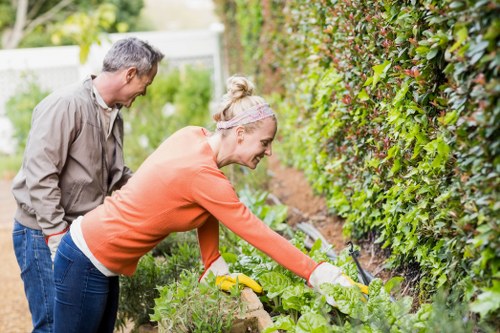
Hedge trimming is often most successful when it is approached as regular practical upkeep rather than a one-off cosmetic task. A hedge that is kept within a sensible outline usually looks better, is easier to manage and sits more comfortably within the rest of the garden. Whether the job calls for a quick reset, a fuller reduction or planned ongoing maintenance, the essential aim remains the same: a clean result that suits the hedge and the space around it.
Our service is centred on careful trimming, clear communication and a tidy finish. We can help with hedges that have grown unevenly, started to spread beyond their line or simply need restoring to a more presentable shape. If you already know what kind of work you need, we can focus on the practical details. If you are still deciding, the service pages above should help you narrow down the most suitable option.
Request a quotation when you are ready, and send the hedge details that best describe the work. If you prefer, you can also begin with a plain text enquiry and add measurements or photos later. The key is to give enough information for a fair estimate, then let the next step be as straightforward as possible.