Vauxhall estate gardeners and garden maintenance SE11: a practical guide for local estates, blocks and shared gardens
If you manage, live on, or look after a shared outdoor space in SE11, you already know the truth: estate gardens do not keep themselves tidy for long. One windy week, a few rainy days, and suddenly the beds need edging, the shrubs are leaning out of shape, and the communal lawn is looking a bit tired. That is where Vauxhall estate gardeners and garden maintenance SE11 becomes more than a search phrase - it is a very practical way to keep shared grounds safe, presentable, and genuinely usable.
This guide explains how estate garden maintenance works in Vauxhall, what good service should include, who needs it, and how to judge whether a provider is the right fit. It also covers useful planning tips, common mistakes, compliance basics, and the sort of details that make a maintained estate feel calm rather than chaotic. To be fair, the difference between "mowed occasionally" and "properly maintained" is obvious the moment you walk through the gate.
For readers comparing wider services, it can also help to explore related support such as garden maintenance services, seasonal hedge trimming and pruning, or more tailored turfing services when lawns have seen better days. A strong estate garden plan often uses several of these together.
Table of Contents
- Why Vauxhall estate gardeners and garden maintenance SE11 Matters
- How Vauxhall estate gardeners and garden maintenance SE11 Works
- Key Benefits and Practical Advantages
- Who This Is For and When It Makes Sense
- Step-by-Step Guidance
- Expert Tips for Better Results
- Common Mistakes to Avoid
- Tools, Resources and Recommendations
- Law, Compliance, Standards, or Best Practice
- Options, Methods, or Comparison Table
- Case Study or Real-World Example
- Practical Checklist
- Conclusion
- Frequently Asked Questions
Why Vauxhall estate gardeners and garden maintenance SE11 Matters
Estate gardens in Vauxhall are rarely simple. Many are shared by several households, used by visitors, passed through every day, and exposed to the usual London mix of compacted soil, shaded corners, and the odd bit of foot traffic that turns a neat lawn into a muddy shortcut. Maintenance matters because these spaces do more than look nice. They affect safety, property presentation, resident satisfaction, and how the whole building feels to live in.
A well-kept estate garden also helps prevent small issues becoming expensive ones. A hedge left too long can block light and paths. Fallen leaves can create slippery surfaces. An overgrown border can hide litter, self-seeded weeds, or pests. Once it all starts slipping, the catch-up work becomes slower and costlier. That is the bit people often miss. Regular care is usually less dramatic, less disruptive, and far easier to budget for.
In Vauxhall and the wider SE11 area, outdoor space is valuable. Space is tight, so communal gardens often carry a lot of responsibility: they soften hard landscaping, provide somewhere for residents to sit out, and improve the first impression of the whole development. A tidy frontage and well-managed planting can quietly lift the standard of the entire estate.
Practical takeaway: good estate garden maintenance is not just about appearance. It is about keeping shared space safe, manageable, and pleasant to use all year round.
If you are trying to balance cost against quality, this is where a consistent service usually pays off. Skipping maintenance for months can make a simple job turn into a bigger one. And bigger ones, as anyone who has dealt with a wildly overgrown shrub line knows, are never as cheerful as they sound.
How Vauxhall estate gardeners and garden maintenance SE11 Works
At its simplest, estate garden maintenance is a planned routine of tasks carried out to keep shared grounds in good condition. In practice, the work is usually shaped around the site itself. A small courtyard block will need a different approach from a larger landscaped estate with lawns, shrubs, bins, pathways, and parking edges. The best services do not apply one fixed formula to everything. They assess the site and adjust the visit schedule, tools, and seasonal work accordingly.
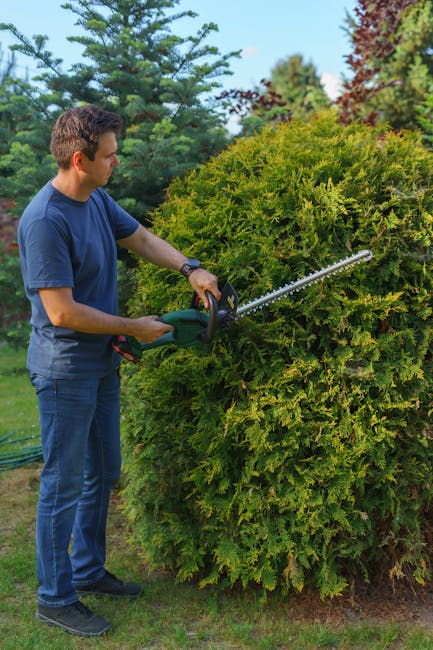
A typical maintenance plan may include mowing, edging, hedge clipping, border weeding, pruning, deadheading, leaf clearance, watering in dry periods, and general tidy-ups. Some gardens need extra attention to litter pick-up, moss control on paths, or reclaiming beds that have become neglected. If the site has mature planting, the gardener may also need to monitor growth patterns, so they can prune at the right time rather than hacking things back and hoping for the best. Hope is not a strategy, really.
Most estate maintenance is either weekly, fortnightly, or seasonal. Weekly visits suit high-visibility communal areas and lawns that need regular cutting. Fortnightly or monthly work can be enough for low-intensity sites or winter periods. Seasonal visits focus more on leaf clearance, cutting back, soil care, planting refreshes, and preparing the site for summer or winter conditions.
Where useful, some estate managers also coordinate related services like general gardening services, flower bed rejuvenation, or garden clearance if a space has slipped beyond routine upkeep. That blend can make a big difference, especially after a period of neglect, refurb works, or resident turnover.
A good provider will usually work from a checklist or maintenance specification. That should spell out what gets done, how often, and what "done properly" looks like. If nobody can define the standard, problems tend to drift. Quietly at first. Then all at once.
Key Benefits and Practical Advantages
The value of regular estate garden care is easy to see once you think beyond the first impression. The most obvious benefit is a tidier, more attractive site. But the real value goes further than that. Residents feel better about where they live, visitors get a stronger impression, and managing agents have fewer complaints to chase.
There is also a practical side. Regular cutting and pruning keeps growth under control. Weeding prevents beds from getting dominated by aggressive growth. Seasonal leaf removal reduces slip risks. On many estates, good maintenance also helps protect planting investments, because healthy shrubs and lawns last longer when they are not constantly stressed by poor care.
For landlords and block managers, there is another benefit that often gets overlooked: predictability. Routine maintenance makes it easier to plan service charges, schedule visits, and show residents that the outdoor space is being looked after. That sense of order matters. People notice it even if they never say so directly.
Here is a quick breakdown of the most common advantages:
- Better presentation: neat lawns, trimmed edges, and controlled planting look professional.
- Lower risk: regular clearing reduces trip hazards and slippery debris.
- Healthier planting: proper pruning and feeding support stronger growth.
- Less long-term cost: routine work is usually cheaper than heavy recovery work.
- Improved resident satisfaction: shared spaces feel cared for and usable.
There is also a subtler benefit: outdoor space can stop feeling like a problem and start feeling like part of the home. That sounds small, but it is not. A patch of green outside the building changes the mood of the whole place, especially on a grey London morning when everything else feels a bit compressed.
Who This Is For and When It Makes Sense
Estate maintenance is not only for large housing blocks. It makes sense for many kinds of properties in SE11, especially where several people share responsibility but no single resident has the time or equipment to handle it properly.
This service is often a strong fit for:
- Managing agents looking after blocks or multi-unit developments
- Resident associations responsible for shared outdoor areas
- Freeholders and landlords who want presentable grounds without constant complaints
- Housing providers who need reliable upkeep across several sites
- Private estates with lawns, borders, hedges, and pathways that need regular care
It also makes sense when the garden is becoming too much for ad hoc efforts. If you are relying on different people to "just have a look" now and then, things can get patchy quickly. One week somebody weeds. The next week nobody does. Then suddenly the whole thing feels like a chore. A coordinated plan avoids that.
There are also specific moments when you should seriously consider professional support:
- After a period of neglect or tenant changeover
- When the estate has grown too large for informal upkeep
- Before summer or autumn, when growth and leaf fall peak
- After building works have left beds compacted or untidy
- When residents are raising repeated concerns about appearance or safety
If the space is more complex - with trees, dense hedging, or awkward access - it may be useful to combine maintenance with tree surgery or a more specific garden design review so the long-term layout works better. Sometimes a better plan is not more effort. It is better structure.
Step-by-Step Guidance
If you are organising Vauxhall estate gardeners and garden maintenance SE11 for the first time, it helps to treat it like a proper project rather than a loose enquiry. A little structure up front saves a lot of awkward follow-up later. Here is a sensible way to approach it.
-
Walk the site carefully.
Look at lawns, paths, borders, hedges, trees, bin areas, access points, and any places where litter or water collects. Take photos. A quick walk on a damp morning can reveal issues you would miss in bright sunshine.
-
Identify what actually needs doing.
Break the work into regular tasks and seasonal tasks. For example, mowing may be weekly in summer, while leaf clearance becomes more important in autumn. Be clear about what is essential and what is desirable.
-
Set the maintenance standard.
"Tidy" is not a plan. Decide what level of edging, pruning, weed control, and debris removal you expect. That way, when the work is done, everybody is judging the same thing.
-
Choose a schedule that matches the site.
Busy, visible spaces generally need more frequent visits. Quieter gardens may need less. The right schedule depends on growth rate, use, and season - not guesswork.
-
Agree communication and access.
Make sure the gardener knows how to access the site, where to store tools or green waste, and who to contact if something is blocked or damaged. One missing key can waste an entire morning. Annoying, but true.
-
Review after the first few visits.
Check whether the work is being done to the agreed standard. If the lawn is being cut too short, beds are left half-finished, or waste removal is inconsistent, address it early.
A simple rule helps here: the more clearly you define the outcome, the better the result tends to be. A good service provider will welcome that clarity, not resist it.
Expert Tips for Better Results
In our experience, the best estate gardens are usually the ones with a rhythm. Not just one-off fixes, but a steady pattern of care. That rhythm is what keeps the space feeling settled instead of constantly bouncing between "fine" and "messy".
Here are some practical tips that tend to make a real difference:
- Match cutting frequency to growth, not the calendar alone. Spring and early summer often demand more frequent visits than winter.
- Do not cut lawns too short. Scalping weakens grass, especially in shaded or heavily used areas. A slightly higher cut can be healthier.
- Tackle weeds before they seed. A few minutes now can save hours later. It sounds obvious, yet it is missed all the time.
- Keep edges crisp. A neat edge makes even simple planting look deliberate.
- Prune with purpose. Remove dead, damaged, or crossing growth first. Avoid random "shape making" unless the plant really needs it.
- Clear leaves promptly on paths and entrances. Wet leaves are messy and slippery, and they make a place look neglected very fast.
- Use the right tools for the size of the job. A domestic strimmer on a large estate can be a false economy.
Another useful habit is seasonal planning. Summer work is not just mowing; it is also watering, deadheading, and keeping borders under control. Autumn is less glamorous, fair enough, but it is when leaf removal and cutback work stop drainage issues and keep entrances safe. Winter is the time to tidy structure, assess damage, and prepare for spring. There is always something, basically.
If your estate has mature planting or patchy grass, you may also want a view on longer-term improvement rather than just routine maintenance. That is where related services like planting services and regular grass cutting can help shape a more resilient outdoor space.
Common Mistakes to Avoid
Most estate garden problems do not begin with one huge failure. They start with small compromises. A missed visit here, an unclear instruction there, a hedge left a bit longer than it should be. Then the overall standard drifts. That drift is what you want to stop early.
Some of the most common mistakes are:
- Only booking work when the site already looks bad. Reactive maintenance nearly always costs more and looks worse.
- Being vague about the brief. If the provider does not know what "good" means for your estate, you may not get the result you expected.
- Ignoring seasonal change. A summer schedule rarely works perfectly in winter.
- Trying to make one gardener do every specialist task. Some sites need tree work, turf repair, or planting expertise alongside general maintenance.
- Overlooking access and logistics. Locked gates, no parking plan, or nowhere for waste can slow everything down.
- Focusing only on price. The cheapest quote is not always the best value if the work is rushed or inconsistent.
There is also a softer mistake: assuming residents all want the same thing. They do not, usually. Some want lower maintenance planting. Others want colour. Some want neatness above all else. Balancing that takes a bit of judgement, which is why local experience matters. The garden is not a spreadsheet. It is a lived-in space.
And yes, sometimes the real issue is that nobody has had time to step back and look at the whole picture. It happens.
Tools, Resources and Recommendations
A good estate gardener should bring the right equipment for the site, but it helps if the people commissioning the work understand what those tools are typically used for. You do not need to be a horticulturist to make sensible choices, just clear-eyed about what the garden actually needs.
Common tools and equipment for estate maintenance may include:
- Lawn mowers for regular cutting
- Strimmers or brush cutters for edges and awkward corners
- Hedge trimmers for shaping and reduction
- Secateurs and loppers for pruning smaller growth
- Leaf blowers or rakes for seasonal clearance
- Hand tools for weeding, edging, and planting adjustments
- Green waste sacks or collection arrangements for tidy removal
From a planning perspective, useful resources usually include a site map, a simple maintenance schedule, access notes, and a list of priority areas. If the estate has recurring pain points - perhaps a shaded strip that goes bare, or a path that fills with leaves every autumn - write those down. It saves explanations later and helps the gardener work more intelligently.
For older or more tired spaces, it can be useful to look at services that restore structure, not just surface tidiness. That might include lawn care, hedge trimming and pruning, or flower bed maintenance. Those details add up. Quietly, but they do.
If you are choosing between providers, ask what they include, how they handle waste, whether they can adapt to seasonal changes, and how they report issues. A straightforward, knowledgeable answer is usually a good sign. If the explanation sounds vague, that is worth noting.
Law, Compliance, Standards, or Best Practice
For estate garden maintenance in SE11, the main compliance concerns are usually practical rather than highly technical. You are generally looking at safe working practices, sensible access arrangements, and appropriate care around shared spaces. If contractors are using powered equipment, handling ladders, working near roads or entrances, or dealing with trees and larger shrubs, they should follow normal health and safety precautions and use suitable protective equipment.
For managers and residents, the best approach is simple: make sure the work is carried out by people who understand the site, can work safely around the public, and can adapt where access is tight. In a busy London estate, that matters more than people sometimes realise. Shared walkways, bins, parked cars, and children using the space all change how maintenance needs to be planned.
Best practice usually includes:
- Clear instruction on access times and site restrictions
- Safe storage or removal of tools and waste
- Care around entrances, windows, and communal routes
- Respect for neighbouring residents and noise sensitivity
- Appropriate handling of trees, climbing plants, and large pruning work
If tree work is involved, it is sensible to use a provider with the right experience rather than treating it like ordinary hedge trimming. Likewise, if the garden contains overgrown sections, it may be more efficient to start with a controlled clearance before moving to routine maintenance. Good practice is not about being fussy. It is about avoiding avoidable problems.
One more thing: if the estate has rules or resident agreements about timing, noise, or access, those should be built into the maintenance plan. Not every issue is legal. Some are simply neighbourly. Still worth getting right.
Options, Methods, or Comparison Table
There is no single right way to maintain an estate garden. The best method depends on the size of the site, the budget, the visibility of the space, and how much the planting already needs. The table below gives a practical comparison of common approaches.
| Approach | Best for | Strengths | Watch-outs |
|---|---|---|---|
| Weekly maintenance | High-traffic communal gardens and showpiece spaces | Keeps everything consistently neat; reduces buildup | Higher ongoing cost; needs a clear scope |
| Fortnightly maintenance | Moderate-use estates and smaller shared gardens | Good balance of cost and presentation | May need seasonal adjustments in peak growth |
| Seasonal visits | Low-use spaces or supplementary support | Useful for leaf fall, cutback, and spring reset | Not enough on its own for active, visible grounds |
| One-off clearance then routine care | Neglected sites or post-refurbishment tidy-ups | Resets the garden and creates a workable baseline | Needs follow-up maintenance or the space slips again |
For many estates, the smartest option is not one approach forever. It is a combination. For example, a site may need a heavier spring tidy-up, then fortnightly visits through summer, then leaf-focused work in autumn. That sort of flexibility often gives the best value. Simple, but effective.
Case Study or Real-World Example
Imagine a small residential estate in SE11 with shared front planting, a central lawn, and a rear courtyard used for bin access and occasional sitting out. At first glance, it does not seem especially demanding. But after a few months of irregular attention, the lawn becomes patchy at the edges, the hedges start narrowing the path, and the courtyard gathers leaves and litter near the drain. Nothing dramatic. Just enough to make the place feel tired.
A sensible maintenance plan would start with a reset visit. That might include cutting back overgrowth, clearing debris, re-edging the lawn, weeding the borders, and checking whether any plants are failing because of shade or compacted soil. Then the work shifts into a regular rhythm: mowing, edging, deadheading, hedge trimming, and seasonal clearance. The result is not flashy, but it is noticeably calmer. Residents stop commenting on the mess. That silence is usually a good sign.
If the space still feels thin after the reset, the next step could be selective replanting or soil improvement rather than more frequent mowing. That is a key point. Not every garden issue is solved by "more maintenance". Sometimes it needs better planting choices or a small redesign. A bit of judgement goes a long way.
In a real estate context, those improvements also help the management side. Fewer complaints, clearer budgets, and fewer emergency fixes. And let's face it, nobody enjoys emergency fixes.
Practical Checklist
Use this checklist when planning or reviewing estate garden maintenance in Vauxhall. It keeps the work focused and stops small details from being forgotten.
- Assess lawns, borders, hedges, paths, and access points
- Note shaded areas, drainage problems, and high-wear spots
- Define weekly, fortnightly, and seasonal tasks
- Agree the expected standard of finish
- Confirm who handles waste removal and disposal
- Check access arrangements, keys, parking, and entry times
- Identify any tree work, turf repair, or planting refreshes needed
- Set a review date after the first few visits
- Ask how issues are reported and approved
- Keep a simple record of tasks completed and follow-up items
Quick expert note: if you cannot describe the garden's current problems in two or three sentences, spend ten more minutes on the site before asking for quotes. It helps more than people think.
Conclusion
Vauxhall estate gardeners and garden maintenance SE11 is really about one thing: keeping shared outdoor spaces useful, tidy, and easy to live with. The best results come from clear expectations, regular visits, seasonal awareness, and a maintenance plan that suits the actual site rather than a generic template. When those pieces come together, even a modest garden can feel cared for, not just cleaned up.
Whether you are managing a busy estate, coordinating residents, or simply trying to restore a space that has drifted, the right approach is usually steady and practical. Start with the basics, set a sensible standard, and build from there. A little consistency goes a long way.
If you are ready to improve the look, safety, and long-term condition of your shared garden, now is a very good time to take the next step.
Get a free quote today and see how much you can save.
And if the garden has been nagging at the back of your mind for weeks, that is usually a sign to sort it. You will feel the difference the moment you step outside.
Frequently Asked Questions
What do Vauxhall estate gardeners and garden maintenance SE11 services usually include?
They usually cover routine tasks such as mowing, edging, weeding, hedge trimming, pruning, leaf clearance, border tidying, and general upkeep of shared outdoor areas. Some estates also need occasional planting, turf repair, or clearance work.
How often should an estate garden in SE11 be maintained?
It depends on how visible and heavily used the space is. Weekly visits are common for busy communal gardens, while fortnightly or seasonal work may suit quieter sites. Growth rate and season matter a lot.
Is estate garden maintenance different from regular domestic gardening?
Yes. Estate work usually involves shared spaces, stricter access planning, more people using the area, and a clearer maintenance specification. It often needs better coordination and a more consistent standard of finish.
What should I ask before hiring a gardener for an estate in Vauxhall?
Ask what tasks are included, how often visits happen, how waste is handled, whether they can adapt seasonally, and how they report issues. It also helps to ask how they manage access and whether they have experience with communal sites.
How do I know if the garden needs a one-off clearance or regular maintenance?
If the space has become heavily overgrown, full of debris, or difficult to manage, a one-off clearance may be the best first step. If the garden is already under control but needs upkeep, regular maintenance is usually the better fit.
Can estate garden maintenance help reduce complaints from residents?
Usually, yes. A tidy and predictable outdoor space tends to trigger fewer complaints than one that looks neglected or changes from week to week. Consistency makes a bigger difference than many people expect.
What is the best time of year to improve an estate garden?
Spring and early autumn are often the most useful times for bigger improvements, planting, or cutback work. But routine maintenance matters all year, especially during summer growth and autumn leaf fall.
Do I need special permission for tree work on an estate?
Sometimes, yes, depending on the tree, location, and local restrictions. It is sensible to check before work begins and to use someone who understands larger pruning or tree-related tasks. If in doubt, get advice before any cutting starts.
What happens if a communal garden has been neglected for a long time?
It usually needs a reset phase first. That may involve clearance, pruning, weed removal, lawn recovery, and possibly some replanting. After that, regular maintenance is needed or the same problems return.
How can I keep estate maintenance costs under control?
Use a clear brief, choose a schedule that matches the site, and address issues before they become major jobs. Reactive work tends to cost more. Good planning is the cheapest form of maintenance, truth be told.
What makes a good estate gardener?
A good estate gardener is reliable, organised, and able to work neatly in shared spaces. They should understand seasonal changes, communicate clearly, and spot small problems before they become bigger ones. Experience with communal sites is a real advantage.
Should I combine garden maintenance with planting or lawn recovery?
Often, yes. Maintenance keeps things tidy, but planting improvements and lawn recovery can help the space become healthier and easier to manage. If the garden is tired or patchy, a broader plan usually works better than mowing alone.