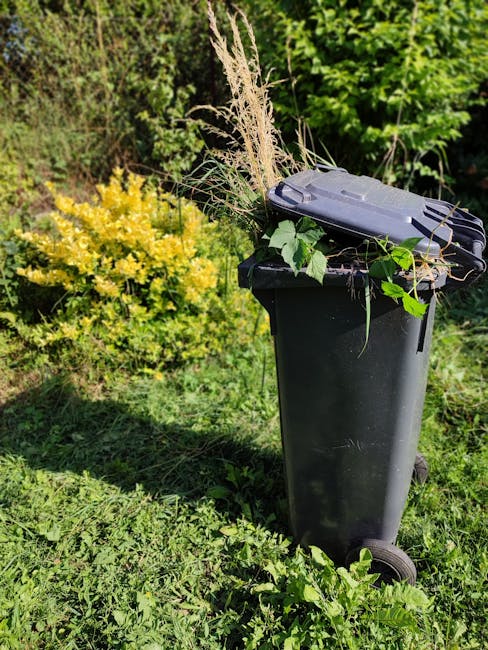
Permits and fines Lambeth Council gardening compliance guide
If you are planning garden work in Lambeth, it is easy to assume you can just crack on, trim the hedge, clear the waste, and be done with it. In reality, permits, permissions, and the risk of fines can change the picture quickly. This Permits and fines Lambeth Council gardening compliance guide breaks it down in plain English so you can avoid awkward surprises, keep neighbours happy, and stay on the right side of local rules.
Whether you are arranging regular upkeep, a one-off clearance, or a bigger landscaping job, the main challenge is usually not the gardening itself. It is understanding what needs permission, what is simply good practice, and what can lead to enforcement if handled badly. Let's face it, nobody wants a job delayed because a skip was placed wrong, green waste was left blocking the pavement, or protected trees were touched without checking first.
This guide focuses on practical compliance: how permits often work in London boroughs like Lambeth, where fines can arise, and what a sensible homeowner or landlord should do before starting work. You will also find a checklist, a comparison table, and a real-world example to make the process easier to follow.
Table of Contents
- Why Permits and fines Lambeth Council gardening compliance guide Matters
- How Permits and fines Lambeth Council gardening compliance guide Works
- Key Benefits and Practical Advantages
- Who This Is For and When It Makes Sense
- Step-by-Step Guidance
- Expert Tips for Better Results
- Common Mistakes to Avoid
- Tools, Resources and Recommendations
- Law, Compliance, Standards, or Best Practice
- Options, Methods, or Comparison Table
- Case Study or Real-World Example
- Practical Checklist
- Conclusion
- Frequently Asked Questions
Why Permits and fines Lambeth Council gardening compliance guide Matters
Garden work can seem harmless, but local compliance issues often appear in the small details. In Lambeth, as in the rest of London, problems tend to arise around access, waste, trees, street obstruction, noise, and how work affects shared spaces. A simple hedge trim can turn into a headache if clippings spill into the pavement. A neat garden clearance can become an issue if waste is dumped or transported without proper arrangements.
The reason this matters is not just avoiding a fine. Compliance protects your property, your neighbours, and your project timeline. If you are working with contractors, it also helps you judge whether they are taking the right precautions. A professional service should be able to explain what needs checking, what can be done without permission, and when extra steps are sensible. If they brush that off, that is a bit of a red flag.
There is also the wider point of reputation and trust. For landlords, managing agents, and homeowners preparing a sale, a tidy and compliant garden says a lot. It shows the work has been handled properly. It also reduces the chance of complaints, which is often where council scrutiny begins in the first place.
Expert summary: the safest approach is to treat garden compliance as part of the job, not an afterthought. Check access, waste, trees, and any local restrictions before work starts, then keep records of what was done and why.
If your garden project is part of a larger improvement plan, it may also help to review broader service options such as garden maintenance, garden clearance, or landscaping so you can plan the work in the right order. Oddly enough, that bit of planning saves a lot more time than most people expect.
How Permits and fines Lambeth Council gardening compliance guide Works
At a practical level, compliance usually works in layers. First, you identify what kind of work is being done. Then you check whether it involves anything that may need permission, such as placing equipment on a public road, cutting back protected trees, or moving large amounts of waste. After that, you decide who is responsible for arranging any permit or notice.
For many private gardens, routine tasks like mowing, pruning, and light clearing do not require a permit. The issues arise when the work spills beyond the boundary. For example, if a skip, waste bag, or access platform needs to go onto the road or pavement, a permit may be required. If a tree is subject to protection controls, consent may be needed before lopping, topping, or removal. And if work generates noise or disruption early in the morning, there may be practical restrictions to manage.
Fines can happen in several ways. A permit may be missing. Waste may be left in a way that creates a hazard. A contractor may damage a public verge or block pedestrian access. In some situations, the problem is not a formal penalty at all, but the cost of putting right what has gone wrong. That can be more annoying than the fine itself, to be fair.
The safest habit is to build a basic compliance check into every job:
- Define the scope of gardening work.
- Check whether any trees are protected or near protected land.
- Confirm whether waste will stay inside the property boundary.
- Review access for workers, vans, and equipment.
- Make sure any public space use is properly authorised.
- Keep notes, photos, and job records in case questions come up later.
If you are unsure about more intensive work such as tree reduction or removal, it is wise to look at specialist support like tree lopping and removal rather than treating it as a normal tidy-up. Trees are one of the places where compliance can get complicated very quickly.
Key Benefits and Practical Advantages
Getting the compliance side right is not just about avoiding problems. It makes the job smoother from start to finish. You get better scheduling, fewer delays, and less back-and-forth with neighbours, contractors, or the council if something needs checking.
- Fewer fines and enforcement risks: you are less likely to face penalties for obstruction, unauthorised waste placement, or protected tree work.
- Cleaner project planning: you can decide whether the work can happen in one visit or needs staged scheduling.
- Better contractor accountability: a clear compliance brief makes it obvious what the job includes and what needs caution.
- Less disruption to neighbours: keeping waste controlled and access clear helps avoid complaints.
- Stronger property care: compliant garden work is usually tidier, safer, and more durable.
There is another advantage people overlook: confidence. Once you know the likely compliance issues, decisions get easier. You are not second-guessing every hedge cut or waste bag. You can focus on what actually improves the garden.
For homeowners comparing ongoing care with a one-off tidy-up, the difference between regular upkeep and reactive cleanup is huge. A structured lawn mowing or hedge trimming plan often reduces the need for disruptive clearance later on. Simple really, though people tend to ignore it until the grass is ankle-deep.
Who This Is For and When It Makes Sense
This guide is useful for anyone organising garden work in Lambeth, but it is especially relevant if the job is more than basic tidying. Homeowners, landlords, letting agents, property managers, and small businesses all benefit from checking compliance early.
It makes particular sense in these situations:
- you are arranging a large garden clearance
- you need skips, builders' bags, or bulky waste removal
- the work involves mature trees, high hedges, or boundary planting
- access is tight and equipment may need to use the pavement or street
- you have had previous complaints about overgrown gardens or debris
- the property sits near a conservation-sensitive or densely built area
It also matters if you are coordinating multiple improvements at once. A garden redesign may involve clearance, levelling, edging, planting, and perhaps a new patio or deck. In that case, sequence matters. A project that starts with decking services or wider landscape gardening should be planned so the messy stages do not undo the neat ones.
Truth be told, if the job is small and fully inside your boundary, the compliance burden is usually light. But if there is any doubt, it is worth pausing for ten minutes before the first cut. That tiny pause can save a very unfun conversation later.
Step-by-Step Guidance
Here is the practical process we recommend when planning garden work that could trigger permits, checks, or fines.
1. Define the job properly
Write down exactly what is being done. Is it mowing, hedge cutting, tree pruning, waste removal, or a full clearance? The more specific you are, the easier it is to spot the compliance issues.
2. Check the boundary line
A surprising amount of trouble comes from work that drifts beyond the property line. Branches overhang, hedges spread, and waste ends up just outside the gate. That boundary matters. If anything touches pavement, road space, or shared land, stop and assess.
3. Identify protected or sensitive features
Trees are the obvious one, but not the only one. Mature planting, boundary walls, garden structures, and surfaces can also be affected. If you are not sure whether a tree might be protected, do not guess. Get it checked before any cutting starts.
4. Decide whether access needs permission
If workers, vehicles, or materials need to use the street, alley, or pavement, you may need a permit or permission process. This is one of the most common compliance misses because people assume a temporary obstruction is fine. Often it is not.
5. Plan waste handling before the job starts
Green waste, soil, timber, and general garden debris should have a clear route off site. If the material will sit in the garden, make sure it does not create a nuisance. If it needs to go outside, that changes the compliance picture.
6. Keep the site tidy during the work
Good contractors work cleanly as they go. They do not leave slippery clippings on paving, sharp branches where someone could trip, or piles of debris in a communal entrance. Small details, big difference.
7. Record what was done
Keep receipts, permits if relevant, photographs, and a short note of the work. This is useful if a neighbour complains or if there is a later question about tree work or waste handling.
8. Review the result
After the job, step back and look at whether the outcome is tidy, safe, and appropriate for the property. Compliance is not only about paperwork. It is also about the end result making sense in the real world.
If you need ongoing support, garden maintenance is often a better fit than sporadic fix-it visits. It keeps the garden in a stable condition and reduces the need for bigger interventions that may involve extra checks.
Expert Tips for Better Results
A few simple habits make a big difference in avoiding fines or awkward enforcement issues.
- Ask about permits before booking the work. This is especially sensible if vans, skips, or elevated access equipment are involved.
- Use a contractor who understands local compliance. Not every gardener needs to be a legal expert, but they should know the difference between ordinary garden care and regulated activity.
- Keep the pavement clear. Even a short obstruction can create problems if pedestrians, wheelchairs, prams, or neighbours need to pass.
- Take tree work seriously. Cutting a hedge is one thing. Lopping a tree is another. The rules and risks are not the same.
- Plan waste separation. Green waste, rubble, timber, and mixed rubbish may need different handling. Mixed loads are where mess and cost creep in.
- Schedule noisy work considerately. Early starts may be legal in some cases but still cause complaints. A considerate start time often avoids trouble before it starts.
One small, practical habit we like is taking before-and-after photos from the same angle. It sounds basic because it is. But those photos can settle questions about access, boundaries, and the condition of the site after work. Handy, really.
Common Mistakes to Avoid
Most compliance problems in garden work are not dramatic. They are little lapses that snowball.
- Assuming all gardening is exempt: routine mowing may be straightforward, but waste, trees, and street use can change everything.
- Forgetting about the pavement or road: if equipment or waste crosses the boundary, permission issues may appear.
- Leaving clippings or soil in public view: a tidy finish matters, especially in shared streets and terraces.
- Starting tree work without checking protections: this is a classic mistake and one of the most avoidable.
- Using a contractor who is vague about compliance: if they cannot explain the plan, that is not reassuring.
- Ignoring neighbour impact: complaints often come first, and the council response follows.
- Not documenting the job: a lack of records makes simple questions harder to answer.
There is also a tendency to treat garden clearance as a single task when it is actually a bundle of actions. Clearing, loading, transporting, disposing, and restoring the site are different steps. Miss one, and you may end up with an incomplete job and a compliance mess. Bit annoying, that.
Tools, Resources and Recommendations
You do not need a huge toolkit to stay compliant, but a few practical items help a lot.
- Measuring tape or laser measure: useful for checking access width and working space.
- Camera or phone photos: ideal for recording the site before and after.
- Basic site checklist: keeps everyone focused on boundaries, waste, and access.
- Gloves, eye protection, and sturdy footwear: simple safety measures for garden work of any size.
- Barrier tape or cones: helpful where work might briefly affect shared access or visibility.
- Waste bags and containers: proper collection keeps green waste controlled and less likely to spill.
For larger or repeated jobs, it also helps to use a provider with clear policies on safety, payments, and environmental responsibility. That sort of transparency matters more than people think. You can learn more about the company approach on the about us page, and if you want to understand practical service standards, the services overview is a sensible place to start.
If you are comparing suppliers, check whether they explain their working methods, insurance, and disposal approach in plain language. A clear quotation is not just about price. It should show that the work is being handled properly from the start. If the quote feels fuzzy, ask questions. Better now than mid-job.
Law, Compliance, Standards, or Best Practice
This topic sits at the edge of property upkeep, local authority control, and general UK best practice. The exact permit or fine situation can depend on the nature of the work and the local conditions, so it is wise to treat any potentially regulated task carefully rather than assuming it is routine.
In practical terms, the main compliance areas to watch are:
- Highway and pavement use: placing skips, equipment, or waste in public space can trigger permission requirements.
- Tree protection: protected trees and conservation-related controls can restrict cutting or removal.
- Waste handling: garden waste should be handled and disposed of responsibly to avoid nuisance or enforcement.
- Noise and disturbance: repeated complaints can lead to council attention even where the garden work itself is legitimate.
- Health and safety: work should be carried out without creating avoidable risks to residents, workers, or passers-by.
Best practice is simple: check first, work cleanly, and keep records. If a job is borderline, ask for clarification before the tools come out. It is much easier to pause for a decision than to undo a mistake later.
For customers choosing a contractor, this also links to wider trust factors. Review the company's health and safety policy, insurance and safety information, and recycling and sustainability approach so you understand how work is managed end to end. Those pages may seem dry at first glance, but they tell you a lot about the way a business operates.
Options, Methods, or Comparison Table
Different garden jobs carry different levels of compliance effort. This comparison helps you decide how cautious to be.
| Job type | Typical compliance risk | What to check | Practical note |
|---|---|---|---|
| Routine mowing | Low | Access, tidy finish, noise timing | Usually straightforward if fully on private land |
| Hedge trimming | Low to moderate | Boundary spill, waste control, neighbour impact | More issues if clippings affect pavements or driveways |
| Tree pruning or removal | Moderate to high | Tree protection status, permissions, safety | Do not assume tree work is just another garden task |
| Garden clearance | Moderate | Waste volumes, storage, transport, site access | Often where permits and fines become more relevant |
| Decking or landscaping | Moderate | Access, materials, planning implications, boundaries | Good planning saves disruption later |
In practice, the more a project changes the shape of the site or uses public space, the more careful you need to be. There is no mystery to it, really. The rules just become more visible as the work gets bigger.
Case Study or Real-World Example
A fairly typical Lambeth scenario goes like this. A homeowner wants to clear an overgrown back garden before spring. There are brambles, a few tired shrubs, a small tree near the rear fence, and a pile of old timber and clippings to remove. Nothing exotic. But the access is tight, and the nearest place for loading is just outside the front gate.
At first, it looks like a simple half-day job. Then the practical questions start appearing: does the waste need to go into a vehicle parked on the street, will the garden tree need checking for protection, and can the load be managed without obstructing the pavement? Suddenly it is not just "garden clearance" anymore. It is a small compliance exercise with moving parts.
In a well-run version of this job, the contractor inspects the site first, confirms the tree status, plans waste removal so nothing blocks the footway, and keeps the gate area clear for neighbours. The work still gets done, but it is done with fewer interruptions. The difference is noticeable. The site looks better, the customer feels calmer, and nobody is scrambling to explain an avoidable problem.
That is really the point of this guide. Not to make garden work sound scary. Just to keep the job tidy, lawful, and easier on everyone involved.
Practical Checklist
Use this before starting any garden work in Lambeth that might involve permits, waste, or enforcement risk.
- Confirm the exact scope of work.
- Check whether any trees may be protected or sensitive.
- Make sure all work stays within the property boundary unless permission is clear.
- Plan where tools, waste, and materials will be stored.
- Check whether the pavement, road, or shared access may be affected.
- Arrange disposal for green waste and mixed waste in advance.
- Ask the contractor how they handle safety and site tidiness.
- Take before photos of the garden and access points.
- Keep records of any permissions, agreements, or job notes.
- Review the finished site for neatness, safety, and neighbour impact.
If you want a job to stay compliant without becoming a chore, a structured approach to lawn mowing, hedge trimming, or broader garden maintenance is usually the easiest route. Regular care almost always reduces the risk of bigger issues later.
Conclusion
Permits and fines may not be the glamorous side of gardening, but they matter a great deal when you are working in a busy borough like Lambeth. Most problems are avoidable if you check the scope, respect boundaries, handle waste carefully, and treat trees and public space with proper caution.
The best outcome is usually the quiet one: the job gets done, the garden looks better, nobody complains, and you never need to think about enforcement at all. That is what good compliance gives you - not drama, just peace of mind.
If you are planning a larger project, it is worth reviewing the service details, safety standards, and pricing information first so you can make a sensible decision from the start. A calm, well-planned garden job is almost always the better one.
Get a free quote today and see how much you can save.
And if you are still weighing it up, take it step by step. That is usually enough.
Frequently Asked Questions
Do I need a permit for basic gardening work in Lambeth?
Usually, routine work such as mowing, weeding, and light trimming does not need a permit if it stays entirely within private property. The situation changes if the job affects the pavement, road, waste storage, or protected trees.
Can I be fined for putting garden waste outside my house?
Yes, if the waste creates an obstruction, nuisance, or improper use of public space. Even temporary placement can become an issue if it blocks access or is left too long. The safer approach is to plan removal and keep waste contained.
What kind of gardening work is most likely to cause compliance issues?
Tree work, large garden clearances, and projects that involve skips or street access are the main ones. Those jobs tend to trigger questions about permissions, safety, and waste handling much more often than routine maintenance.
Does hedge trimming need council approval?
Not usually, but it can if the hedge affects a boundary, a public footway, or a protected area. The practical issue is often not the trimming itself, but the debris and access around it.
How do I know if a tree is protected?
You should not rely on guesswork. If a tree is mature, prominent, or near a boundary where restrictions may apply, it is sensible to check before any pruning or removal. Tree protection is one of those areas where caution is far cheaper than fixing a mistake later.
Who is responsible for getting a permit: me or the gardener?
That depends on the contract, but the property owner should never assume it is handled automatically. Ask clearly who is arranging permissions, and make sure you have a written understanding before work begins.
Are garden clearance jobs riskier than maintenance jobs?
Usually yes, because clearance often involves larger waste volumes, more lifting, and more chance of spill-over into shared spaces. Maintenance is more routine and tends to stay within easier boundaries.
What should I ask a gardener before booking in Lambeth?
Ask how they handle waste, whether they have insurance, what they do about access and safety, and whether any permit or tree checks may be needed. A good contractor should answer without sounding vague or defensive.
Can neighbours complain about garden work?
Absolutely. Complaints are often how local enforcement issues begin. Noise, mess, blocked access, and overgrown boundaries are common triggers, so considerate working practices matter a lot.
Is landscaping more likely to need permission than mowing?
Yes, generally. Landscaping can involve digging, materials delivery, structural features, and access disruption, all of which make compliance more relevant. Mowing is usually far simpler if it is staying on private land.
What records should I keep after garden work?
Keep photos, job notes, any permit or approval details, and invoices or receipts. If anything is questioned later, those records help show the work was managed properly.
Where should I start if I want a compliant garden refresh?
Start with the basics: define the work, check for tree or boundary issues, plan waste removal, and review contractor credentials. If the job is more involved, a structured service plan from services overview can help you map out the next sensible step.