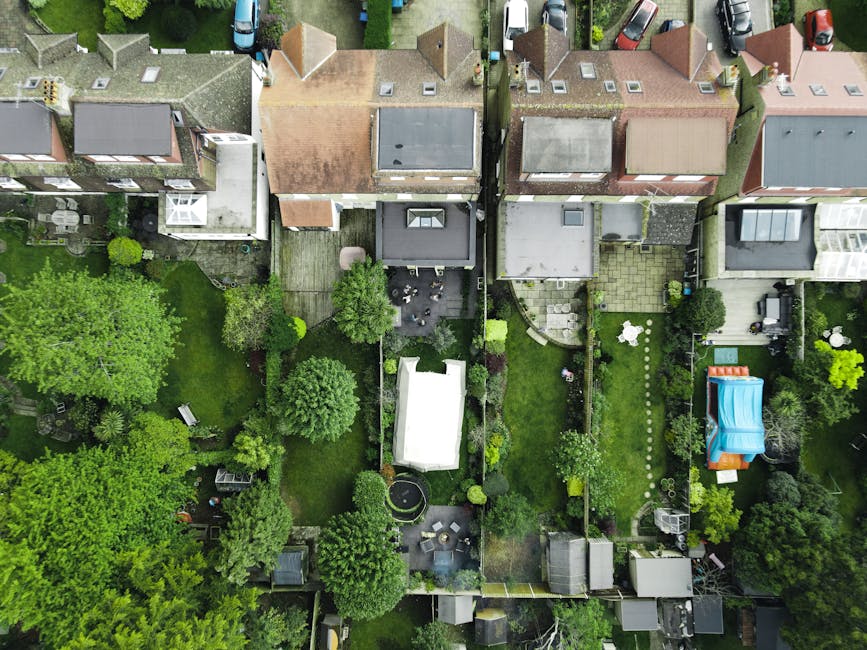
Gardeners for Clapham Common homes SW4: a practical guide to local garden care that actually works
If you live near Clapham Common, you already know the garden challenge can feel a bit London-specific. One week it is leafy and bright, the next it is shaded, windy, and in need of a tidy-up after a wet spell. That is exactly why Gardeners for Clapham Common homes SW4 matters: local knowledge changes the result. A gardener who understands SW4 homes, narrow side returns, terrace gardens, basement light, and the pace of urban living can make a huge difference to how your outdoor space looks and functions.
This guide explains what local gardening support involves, how the service usually works, what to expect, and how to choose the right help for your home. It also covers practical maintenance tips, common mistakes, compliance considerations, and a few real-world examples, because let's face it, gardens are rarely neat little textbook cases. They are lived in.
If you are comparing services, planning seasonal maintenance, or simply trying to get a garden back under control, this page should give you a clear way forward.
Table of Contents
- Why Gardeners for Clapham Common homes SW4 Matters
- How Gardeners for Clapham Common homes SW4 Works
- Key Benefits and Practical Advantages
- Who This Is For and When It Makes Sense
- Step-by-Step Guidance
- Expert Tips for Better Results
- Common Mistakes to Avoid
- Tools, Resources and Recommendations
- Law, Compliance, Standards, or Best Practice
- Options, Methods, or Comparison Table
- Case Study or Real-World Example
- Practical Checklist
- Conclusion
- Frequently Asked Questions
Why Gardeners for Clapham Common homes SW4 Matters
Local gardening support is not just about keeping things tidy. In SW4, the conditions around Clapham Common can be surprisingly varied from one property to the next. A south-facing front garden, a shaded rear plot, a roof terrace, and a small courtyard all need different care. A good gardener understands those differences and adapts the work, instead of forcing a one-size-fits-all routine.
That matters because gardens in built-up London areas are under constant pressure. Foot traffic, pollution, compacted soil, limited storage, wind exposure, and awkward access all make routine maintenance a little harder. If pruning is done at the wrong time, if drainage is ignored, or if plants are chosen only for appearance, problems tend to show up quickly. You can end up spending more trying to fix avoidable issues.
For many homeowners, the real value is peace of mind. You know the lawn will not become patchy and mossy. You know the borders will not vanish under weeds. You know hedges will be handled before they get out of hand. Simple, really. But enormously helpful when life is busy.
There is also the aesthetic side. Around Clapham Common, outdoor space often contributes directly to the feel of the whole property. A well-kept garden gives a terrace house a calmer entrance, makes a small patio feel usable, and can quietly improve the way you enjoy the home every day. Morning coffee outside. Summer evenings with friends. Even ten minutes in a clean, green space can change the tone of the day.
How Gardeners for Clapham Common homes SW4 Works
In practical terms, local gardening services usually begin with a site visit or an initial conversation about the garden's condition, access, sunlight, and priorities. A professional will normally look at the layout, current planting, soil condition, drainage, boundary lines, and the amount of upkeep required. After that, they can suggest a maintenance plan or one-off works.
The process can be quite simple, but it should still feel tailored. For example, a compact garden with mature shrubs may need selective pruning, border tidying, and feeding rather than full redesign. A neglected back garden might need clearance first, then lawn recovery, then planting improvements. Some homes need seasonal support only; others need regular visits because the garden grows fast, or because the owner travels often.
To explore broader property-related services that often sit alongside garden care, some homeowners also review property maintenance support and general handyman help when the garden needs more than horticulture alone.
A good service should also explain timing. Spring and early summer often focus on growth, lawn recovery, planting, and structure. Late summer and autumn are more about controlling excess growth, preparing for colder weather, and clearing fallen material. Winter work can be lighter, but it still matters. In London gardens, neglect for two or three months can turn into a proper mess. Fast.
The best gardeners do not just cut things back. They think ahead. Where will new growth land? Is there enough light for this shrub? Will that tree root compete with the border? Is the drainage making the patio slippery every time it rains? Those little questions are what make the difference between temporary tidying and actual long-term improvement.
Key Benefits and Practical Advantages
Working with experienced gardeners for Clapham Common homes SW4 offers more than neat edges and a better-looking lawn. The benefits are practical, emotional, and often financial too, even if the latter is harder to pin down neatly.
- Better use of space: Small urban gardens often need structure. A skilled gardener can help you make the area feel larger, calmer, and more usable.
- Healthier planting: The right pruning, feeding, watering, and soil care can reduce stress on plants and improve seasonal performance.
- Less weekend catch-up work: Regular maintenance stops the familiar "I'll deal with it next Saturday" cycle from becoming a three-hour ordeal.
- Cleaner presentation: Front gardens, path edges, and visible borders strongly affect how the property feels from the street.
- Seasonal resilience: Gardens that are cared for through the year tend to cope better with heat, rain, wind, and cold snaps.
- Safer outdoor areas: Clearing slippery surfaces, overgrown paths, and unstable branches can reduce everyday hazards.
There is a quieter benefit too. Well-managed outdoor space tends to feel easier to enjoy. You are not staring at jobs every time you open the back door. That mental load matters. People rarely say it out loud, but a messy garden can nag at you. A tidy one gives your brain a bit of a rest.
For homeowners who want more than maintenance, there is often value in pairing garden work with planning for planting design, irrigation, or a better use of hard landscaping. If you are weighing up wider improvements, information on garden design options and landscaping services can help you see what level of change is realistic.
Who This Is For and When It Makes Sense
This kind of local service is useful for a wide range of SW4 homeowners. The common thread is simple: you want the garden to be looked after properly, but you either do not have the time, the tools, the confidence, or the physical capacity to do everything yourself.
It often makes sense if you:
- own a terrace house with a front and rear garden
- have a rental property that needs reliable upkeep between tenants
- travel regularly and need someone dependable to keep things in order
- have mature planting that needs more than basic mowing
- want to rescue a garden that has become overgrown or patchy
- need help preparing the outdoor area for selling or letting
- prefer a regular maintenance plan rather than reactive clean-ups
It also helps if you care about the outcome but do not want to manage every detail yourself. Not everyone wants to spend time working out when to prune roses, how to reduce compaction, or why the patio keeps getting slimy. Fair enough. That is exactly the kind of thing a good gardener takes off your plate.
There are also moments where a professional visit is especially worthwhile: after a long holiday, before a family gathering, during spring growth surges, and after stormy weather. If branches are hanging awkwardly or a hedge is swallowing the path, it is usually better to act early rather than wait until the job becomes a bigger, more annoying one.
Step-by-Step Guidance
If you are thinking about booking garden help for a Clapham Common home, a simple process keeps things clear. It does not need to be complicated.
- Walk the garden and note what bothers you most. Is it the lawn, the weeds, the hedge line, the lack of colour, or simply the general clutter?
- Decide whether you need a one-off tidy-up or regular maintenance. A one-off can be ideal after neglect, while ongoing care suits fast-growing gardens.
- Identify priorities. For example: front border first, then lawn, then pruning. Without priorities, the work can drift.
- Check access and storage. Can tools be brought through the side return? Is water available? Is there space for green waste removal?
- Discuss plant preferences and boundaries. Some homeowners want low-maintenance planting. Others prefer wildlife-friendly borders or a more formal look.
- Agree the scope of work. A clear brief avoids the common problem of expecting a full transformation when only a tidy-up was discussed.
- Review the result and set the next visit. Gardens work best with rhythm. Small, regular attention usually beats dramatic catch-up jobs.
A useful habit is to take a few photos before the work starts. Nothing fancy. Just a quick record on your phone. It helps you see progress properly later, and it makes future planning easier too.
If you want to stay on top of your own maintenance between visits, local homeowners often benefit from simple seasonal support like lawn care, hedge trimming, and weed control. These smaller jobs prevent the bigger ones from building up.
Expert Tips for Better Results
In our experience, the best garden results come from a few sensible habits rather than dramatic intervention. It sounds unglamorous, but it works.
1. Match the plant to the light you actually have
Many London gardens look brighter on paper than they are in reality. Tall buildings, fences, and neighbouring trees can change the conditions quite a lot. Shade-loving plants in the wrong spot will sulk. Sun-loving plants in a dark border will struggle. Simple as that.
2. Think in layers
A visually balanced garden often uses structure at the back, medium-height planting in the middle, and low planting or edging at the front. That gives the eye a route through the space, even in a small garden.
3. Keep one job ahead, not three behind
It is much easier to trim before the hedge becomes oversized than to cut it back after it has blocked the path. The same applies to weeds, moss, and deadheading. Little and often tends to win.
4. Feed the soil, not just the plants
Healthy soil is a quiet hero. Mulch, compost, and sensible watering can improve plant performance far more reliably than decorative fix-ups. If the ground is tired, the garden will look tired too.
5. Make maintenance realistic
A gorgeous but high-maintenance border can become a burden. If you know you will not have time for weekly deadheading, say so. A professional can suggest alternatives that still look good without becoming a full-time hobby. And no, you do not need to become a lavender whisperer overnight.
One more thing: ask for practical advice, not just tasks. A good gardener should be able to tell you what will keep improving, what needs replacing, and what can be left alone for now. That honesty saves money and avoids unnecessary churn.
Common Mistakes to Avoid
Garden work often goes wrong in the same few ways. The good news is that most of them are avoidable.
- Ignoring the season: Cutting or planting at the wrong time can stress plants and set them back.
- Over-pruning: Taking too much off at once can weaken shrubs and make them look sparse.
- Choosing plants for appearance only: A plant can look lovely in the nursery and still be a poor fit for your light or soil.
- Leaving drainage problems alone: If water pools after rain, the issue will usually return.
- Expecting a tidy-up to solve deeper issues: Sometimes you need soil improvement, replanting, or redesign, not just clearing.
- Letting access get cluttered: Gardens with side returns or narrow access need planning. If it is awkward for you, it is awkward for the person doing the work too.
Another easy mistake is forgetting that a garden changes over time. Something that worked two summers ago might be too thirsty, too big, or too fussy now. That is not failure; it is just gardening. Things grow. Things drift. Then they need rethinking.
Tools, Resources and Recommendations
Good tools make the work cleaner and safer, but the real value is in choosing the right tool for the job. A professional gardener will usually bring a mix of hand tools and powered equipment depending on the task.
| Task | Useful tools or resources | Why it helps |
|---|---|---|
| Lawn maintenance | Mower, edging tool, rake, lawn feed, aeration fork | Keeps grass even, tidier, and less prone to that matted look after rain |
| Pruning and shaping | Secateurs, loppers, pruning saw, gloves | Allows precise cuts and reduces damage to stems |
| Weed control | Hand tools, mulch, hoe, root removal tools | Deals with the source rather than just the visible growth |
| Planting and soil care | Compost, mulch, trowel, fork, watering can or hose | Improves establishment and helps the garden hold moisture better |
| Waste clearance | Green waste bags, barrows, collection arrangements | Stops debris lingering and keeps the garden usable |
For homeowners who want to understand the broader service picture, it can be helpful to read about regular garden maintenance and seasonal garden care. Those pages usually explain how ongoing upkeep is structured through the year, which makes planning much easier.
One resource that is often overlooked is your own observation. Walk the garden after rain. Note where the water sits. Watch where the sun falls in late afternoon. Listen for wind exposure. These little clues tell you more than a generic checklist ever could.
Law, Compliance, Standards, or Best Practice
For most home gardens, the main compliance issue is not some grand legal framework. It is practical best practice, neighbour awareness, and safe working methods. Still, there are a few points worth keeping in mind.
First, if a gardener is using power tools, ladders, or heavy equipment, safe working practice matters. That includes sensible protective gear, secure footing, and keeping work areas clear. You do not need to inspect every move, of course, but you should expect the work to be carried out responsibly.
Second, boundary lines and shared elements can be sensitive. Hedge trimming near fences, shared walls, or overhanging branches should be handled carefully. If a tree is protected, or if work may affect a neighbour's side of the boundary, it is worth checking before anything major is altered. Better to ask than to assume. That saves awkward conversations later.
Third, green waste should be managed properly. Whether it is taken away, composted on site, or handled through another agreed method, the process should be tidy and responsible. In a dense area like SW4, nobody wants bags of cuttings hanging around for days.
Best practice also includes honest scoping. If a garden needs clearance, restoration, or deeper planting changes, that should be made clear early. Good communication is part of professional standards even when no formal rule is involved. It is the difference between a job that feels smooth and one that feels improvised.
Options, Methods, or Comparison Table
Different homes need different levels of support. Choosing the right method is often more useful than trying to find the "best" gardening service in the abstract.
| Option | Best for | Strengths | Limitations |
|---|---|---|---|
| One-off tidy-up | Overgrown gardens, pre-sale presentation, post-holiday catch-up | Quick visual improvement, easy to arrange | Does not prevent future regrowth without follow-up |
| Regular maintenance | Busy households, rental properties, fast-growing gardens | Consistent appearance, fewer surprises | Requires ongoing scheduling |
| Seasonal service | Homes with stable structure but changing workload through the year | Good balance of cost and upkeep | Can miss small issues between visits |
| Design and replanting project | Gardens needing a bigger reset | Long-term improvement, better layout, stronger planting plan | More planning needed and usually more disruption |
For many Clapham Common homes, the most sensible route is a mix: a proper tidy-up first, then a regular light-touch maintenance plan. That keeps the garden looking good without making the upkeep feel endless.
Case Study or Real-World Example
Here is a realistic example. A homeowner in SW4 had a compact rear garden that looked fine in winter but became a tangle by midsummer. The lawn had thin patches, the hedge was leaning into the path, and the border had become a mix of surviving plants and self-seeded extras. Not a disaster, but not somewhere you wanted to sit with a cup of tea either.
The first visit focused on clearing the obvious clutter: dead material, weeds, and the worst of the overgrowth. The next step was shaping the hedge, reducing competition around the shrubs, and improving the soil surface with mulch. Rather than replanting everything at once, the gardener kept the structure that worked and removed only what was genuinely failing.
Within a few weeks, the space felt more open. The path was usable again. The lawn looked less tired. Most importantly, the homeowner could see a clear maintenance rhythm rather than another vague "sort the garden out at some point" situation. That is often how real progress happens. Not through one dramatic day, but through sensible steps that stack up.
And yes, it is often the small things that make the biggest difference: a clean edge, a lighter border, a healthier patch of grass, a hedge that no longer scratches your shoulder on the way past. Tiny improvements. Big relief.
Practical Checklist
Use this checklist before booking garden help or starting a maintenance plan.
- Walk the garden and list the main pain points.
- Decide whether the goal is tidy-up, maintenance, or redesign.
- Check access for tools, waste, and safe movement.
- Note shady spots, wet patches, and areas that dry out quickly.
- Identify any plants you want to keep, move, or replace.
- Think about how often the garden should be maintained.
- Ask how green waste will be handled.
- Clarify whether pruning, planting, lawn care, or clearing is included.
- Discuss any boundary or neighbour-sensitive areas.
- Set a realistic next visit or seasonal review date.
Expert summary: The best results rarely come from doing everything at once. For Clapham Common homes, the smart approach is usually to assess the light, soil, and access first, then build a practical plan around what the garden can actually support.
Conclusion
Choosing Gardeners for Clapham Common homes SW4 is really about getting a garden that suits real life, not just a perfect photograph. In a busy London setting, that usually means sensible maintenance, careful planting choices, and a plan that respects the shape, light, and pace of your home.
Whether you need a one-off recovery job, seasonal care, or reliable ongoing maintenance, the smartest move is to start with a clear brief and a realistic view of what the garden needs. That is how you avoid wasted effort and get results that last.
If you are ready to improve the look, feel, and manageability of your outdoor space, take the next step and speak to a local specialist who understands SW4 gardens properly.
Get a free quote today and see how much you can save.
Sometimes a garden does not need a miracle. Just the right hands, a sensible plan, and a bit of steady care. That is enough to make it feel like yours again.
Frequently Asked Questions
What do gardeners for Clapham Common homes SW4 usually do?
They typically handle garden maintenance tasks such as mowing, pruning, hedge trimming, weeding, planting, border care, and general tidy-ups. Some also help with larger clearances or garden improvements, depending on the scope of the job.
How often should a garden in SW4 be maintained?
It depends on the size, planting style, and how fast the space grows. Some gardens need weekly or fortnightly attention in the growing season, while others only need seasonal visits. Fast-growing hedges and lawns usually need more regular care.
Is a one-off garden tidy-up enough?
It can be, especially if the garden just needs a reset after neglect or seasonal growth. But if you want the space to stay under control, a follow-up maintenance plan is usually the better long-term option.
Do local gardeners help with small urban gardens and courtyards?
Yes. In fact, small gardens often benefit the most from professional help because every square metre matters. Compact spaces need careful pruning, smart planting, and tidy detailing to avoid feeling cramped.
What should I ask before hiring a gardener?
Ask what is included, how waste is handled, whether they handle pruning and planting, how often they recommend visits, and whether they have experience with similar London gardens. Clear questions usually lead to better outcomes.
Can gardeners improve a neglected garden without redesigning it completely?
Absolutely. A good gardener can often rescue a neglected space through clearing, pruning, soil improvement, and selective replanting. You do not always need a full redesign to see a big difference.
What is the difference between garden maintenance and landscaping?
Garden maintenance is about keeping an existing space healthy and tidy. Landscaping usually involves bigger changes such as new layouts, paving, structures, or major planting work. The two often work well together, but they are not the same thing.
Do I need to be home while the gardener works?
Not always, though it depends on access, security, and what work is being done. Many homeowners prefer to be present for the first visit or walkthrough, then agree on a practical arrangement for future visits.
How do I know if my garden needs more than maintenance?
If the garden has poor drainage, failing plants, awkward access, or a layout that no longer works, maintenance alone may not be enough. In that case, a redesign or targeted landscaping work might be more useful.
What seasonal work matters most in Clapham Common gardens?
Spring and early summer often focus on growth management, planting, and lawn recovery. Autumn is usually important for clearing leaves, preparing beds, and reducing the risk of winter damage. Winter can be quieter, but it still helps to keep things tidy and safe.
Are there any compliance issues I should think about?
Yes, mainly around safe working methods, boundary awareness, and proper handling of waste. If a tree is protected or a boundary is shared, it is sensible to check before carrying out major work. Good communication avoids trouble later.
What kind of results should I expect after the first visit?
Usually a clearer, tidier, more manageable garden. If the space has been neglected for a while, the first visit may focus on clearing and stabilising rather than perfecting everything at once. That is normal, and often the smartest approach.