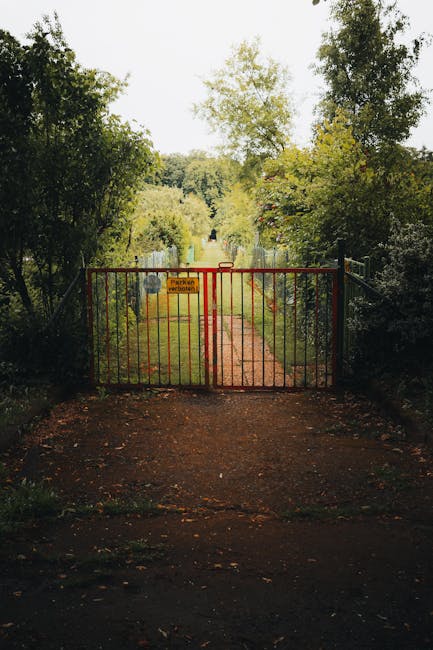
Common problems for Lambeth gardeners with restricted access
If you have ever tried to get a mower, hedge trimmer, or a heap of green waste through a narrow passage, you will know the feeling: simple jobs suddenly become awkward. That is the day-to-day reality behind Common problems for Lambeth gardeners with restricted access. In Lambeth, gardens are often tucked behind terraces, reached through shared side alleys, or connected by steep steps and tight gates. It sounds minor until you are carrying bags of soil at 8 a.m. with a wheelbarrow that is just a bit too wide. Then it matters a lot.
This guide breaks down the most common access issues, why they affect garden work so much, and how to plan around them without making the job expensive or stressful. You will also find practical steps, a comparison table, a checklist, and a realistic example of how restricted access changes the way a garden project needs to run.
Quick takeaway: restricted access is rarely just an inconvenience. It affects safety, time, plant protection, waste removal, equipment choice, and even what kind of garden work is realistic in the first place.
Table of Contents
- Why restricted access matters
- How restricted access affects garden work
- Key benefits and practical advantages
- Who this is for and when it makes sense
- Step-by-step guidance
- Expert tips for better results
- Common mistakes to avoid
- Tools, resources and recommendations
- Law, compliance, standards, or best practice
- Options, methods, or comparison table
- Case study or real-world example
- Practical checklist
- Conclusion
- Frequently asked questions
Why restricted access matters
Restricted access changes almost every part of garden maintenance. A job that looks straightforward from the front can turn into a puzzle once you reach the back gate. Narrow side returns, uneven paving, low door frames, basement steps, shared entrances, and locked communal access all create friction. In Lambeth, where a lot of properties sit close together, that friction is common enough to plan for, not around.
The biggest issue is not just physical inconvenience. It is knock-on disruption. If a gardener cannot move tools and materials in and out efficiently, the work takes longer, costs more, and creates more risk of damage. A planter can be chipped, a lawn edge can be scraped, or a neighbour's path can get muddy. You do not want that conversation, honestly.
It also affects scheduling. Limited access may mean extra time for loading, staging materials, or breaking a task into smaller visits. For bigger projects, the access route can be the difference between a neat one-day job and a messy multi-day operation. That is why the issue matters before any spade touches soil.
If you are arranging broader garden work, it can help to look at the full scope of available garden and landscaping services early on, because access sometimes changes what is practical. For example, a project involving garden clearance may need a different waste plan from routine garden maintenance.
How restricted access affects garden work
Restricted access works in a simple way: every movement into and out of the garden costs more time and more care. The fewer direct routes a team has, the more likely the job needs adapting. That might sound obvious, but the practical impact is bigger than most people expect.
1. Equipment has to be chosen differently
Large machinery is not always suitable. A mower that would be ideal in an open garden may be awkward if it has to be carried up steps or squeezed through a narrow gate. The same is true for hedge cutting gear, tree pruning equipment, bags of soil, decking materials, and heavy waste sacks.
2. Waste handling becomes a real task in itself
Cuttings, branches, and soil do not vanish on their own. With limited access, waste often has to be moved in smaller loads, sometimes by hand. That means more trips, more lifting, and more chances for mess. If there is no easy route for removal, the back garden can start to look like a temporary storage yard very quickly.
3. Work has to be staged more carefully
On a normal site, you might bring in everything at once and move quickly. With access limits, it is often smarter to set up in phases. First the tools. Then the materials. Then the heavier cuts or removals. That slow-burn approach is usually safer and, in the end, less frustrating.
4. Neighbouring spaces may be involved
Shared access ways, communal stairwells, and side passages create extra sensitivity. A gardener may need to protect walls, avoid blocking entry points, and keep noise and debris under control. In a dense part of London, that is not optional. It is just good manners.
Restricted access is not a single problem; it is a cluster of small ones. That is why experienced teams tend to assess the route first, then plan the work second. Not the other way around.
Key benefits and practical advantages
It may feel odd to talk about benefits when the topic is access problems, but there are real advantages to dealing with the issue properly. Once the access route is understood, the whole job becomes more predictable.
- Less risk of damage: careful planning protects fences, paving, doors, and planting beds.
- Safer work: fewer awkward lifts and less rushing reduces the chance of trips, strains, or dropped tools.
- Better finish: gardens that are worked on in manageable stages tend to look tidier at every step.
- More accurate pricing: when access is clear from the start, quotes are easier to match to reality.
- Less disruption to neighbours: good routing, polite scheduling, and cleaner work areas keep everybody happier.
There is also a psychological benefit, if we are being honest. When the route is sorted, people relax. The garden stops feeling like a problem and starts feeling like a project again. That matters more than it sounds.
For longer-term upkeep, planned visits for lawn mowing, hedge trimming, or broader routine care can keep access issues from snowballing. A garden that is regularly maintained is usually easier to move through than one left to overgrow.
Who this is for and when it makes sense
This topic matters for a lot of people, not just homeowners with unusually tight side gates. It is relevant if you manage a flat with shared access, rent out a property with a rear garden, or simply have a small London plot where the only route is through the house. Lambeth throws up all sorts of property types, from compact terraces to gardens tucked behind converted buildings, so the issue is broader than it first appears.
You will especially want to think about restricted access if:
- the garden is only reachable through the property interior;
- the side passage is narrow, dark, or uneven;
- steps, slopes, or raised thresholds make wheeled access difficult;
- gates open inward and leave little working space;
- there are delicate surfaces such as decking, old paving, or gravel that can shift under load;
- the job involves bulky waste, stump work, or heavy landscaping materials.
It also makes sense if you are comparing services and want to understand what kind of work is realistic. Some jobs are perfectly manageable with limited access. Others, like major redesigns or larger removals, may need more labour or a different sequence of work. That is where a good conversation early on saves a lot of drama later.
Step-by-step guidance
If you are planning garden work in a restricted-access setting, the best results usually come from a simple, disciplined process. Nothing glamorous. Just good organisation.
Step 1: Map the route
Start with the actual path from street to garden. Measure gates, doorways, passages, and steps. Look for tight corners, low head height, slippery surfaces, and awkward turns. Do not guess. A route that seems "probably fine" often turns out not to be fine once a mower or barrow is involved.
Step 2: Identify the heaviest or bulkiest items
Think about what needs to move in: tools, compost, timber, replacement plants, turf, gravel, fencing, or decking boards. Then think about what needs to move out: branches, soil, bags of clippings, old timber, and broken pots. The biggest headache is often not the work itself but the logistics around it.
Step 3: Choose methods that suit the route
Sometimes smaller hand tools are more efficient than machinery. Sometimes a cordless tool is better than a mains-powered one because there is less cable hassle. For larger changes, it may be smarter to phase the work or break the project into separate visits.
Step 4: Protect surfaces and edges
Lay temporary protection where needed. Old paving, painted walls, timber edges, and steps are especially vulnerable. If the route goes through the house, make sure floors and internal corners are protected too. Little knocks add up. You notice them later, usually after the dust has settled.
Step 5: Plan waste removal before you start
Do not wait until the end to think about the cuttings. If the route is tight, waste may need to be bagged in smaller quantities or removed in stages. A tidy stacking area near the exit can make a huge difference.
Step 6: Keep neighbours and residents in the loop
If access crosses a shared or communal area, agree times, access points, and any temporary obstruction in advance. A quick conversation can prevent a surprisingly tense afternoon.
Step 7: Review what worked
After the first visit, note what slowed things down. Was it the gate width? The number of stairs? Waste handling? That information helps improve the next job and usually leads to better pricing and fewer surprises.
Expert tips for better results
When access is tight, small decisions make a big difference. A bit of experience goes a long way here.
- Use lighter, modular kit where possible. Equipment that breaks down into smaller parts is easier to move and less likely to snag.
- Work from the furthest point back. That keeps the exit route clear and reduces re-tracing steps.
- Keep a "clean path" rule. Tools and waste should not drift into the only usable passage. It sounds obvious, but gardens get cluttered fast.
- Group tasks by route efficiency. If you are already carrying tools in, do the jobs that need those tools before walking back out.
- Ask about access at the quote stage. That one question often saves everyone time.
A small human truth: gardeners can spend more time moving between the gate and the job than on the actual cut, prune, or tidy-up if the route is badly planned. It is a bit ridiculous, really, but it happens.
For more complex outdoor projects, services such as landscape gardening or landscaping usually benefit from a pre-work access check. The same goes for structural additions like decking services, where materials and fitting need clean movement routes.
Common mistakes to avoid
Most access problems become worse because of a few predictable mistakes. The good news? They are avoidable.
- Not measuring anything. People often assume a trolley or mower will fit. Sometimes it will. Sometimes it absolutely will not.
- Forgetting the turning space. A gate width may be fine, but the turn immediately after it may be impossible.
- Ignoring waste volume. A small hedge trim can produce far more waste than expected, especially if growth has been left for a season or two.
- Trying to do too much in one visit. Restricted access often rewards a phased approach.
- Leaving protection until the end. By then the first scuff has usually already happened.
- Assuming every task needs machinery. Sometimes a hand method is slower in theory but quicker in reality because it avoids access bottlenecks.
There is also a softer mistake: under-communicating. If the gardener does not know about a locked side gate, a narrow basement route, or a shared alley with limited hours, planning gets shaky very quickly. Not ideal.
Tools, resources and recommendations
The right kit depends on the job, but restricted access usually favours compact, adaptable tools and a tidy system.
Useful tools and kit types
- compact hand tools for pruning and edging;
- foldable or sectional equipment where appropriate;
- lightweight sacks or tubs for clippings and soil;
- surface protection for paths, thresholds, and decking;
- small wheelbarrows or carrying aids that can handle narrow spaces;
- cordless tools when cables would cause a trip hazard or snag risk.
Practical recommendations
If the garden has frequent maintenance needs, a regular plan is usually easier than occasional heavy intervention. A schedule for garden maintenance can reduce the build-up of overgrowth, which in turn makes access easier. If the job is already overwhelmed by debris, garden clearance is often the first sensible step before any finer work begins.
For tree-related overhangs, blocked light, or branches crossing a route, tree lopping and removal may be part of the plan, but only where it is genuinely needed and suitable for the site. Likewise, if you are trying to improve the overall order of the outdoor space, a well-thought-out layout can help long-term movement and access, not just appearance.
Law, compliance, standards, or best practice
Access issues are not just about convenience. They touch on safety, neighbour relations, and good working practice. While every site is different, a careful approach usually includes the following:
- Safe manual handling: avoid lifting loads that are too heavy or awkward for one person to carry safely.
- Clear walkways: keep access routes free from loose tools, waste, and trip hazards.
- Noise awareness: sensitive timing matters in shared residential settings.
- Property care: protect walls, floors, gates, and surfaces during moving and loading.
- Waste responsibility: separate, bag, stack, and remove green waste in a controlled way.
In practice, reputable gardening work should also be backed by sensible insurance and clear safety procedures. If a company is comfortable discussing how it handles tight access, awkward lifting, and site protection, that is usually a good sign. You can also review a provider's insurance and safety information and its health and safety policy to understand how seriously it takes the basics.
If you value responsible working methods, it is worth checking how waste is handled too. A clear recycling and sustainability approach can be a useful indicator of organised practice rather than rushed clearance.
Options, methods, or comparison table
Here is a simple comparison of common approaches when a garden has limited access.
| Method | Best for | Advantages | Limitations |
|---|---|---|---|
| Hand tools and manual carrying | Very tight routes, small to medium jobs | Flexible, controlled, low chance of equipment snagging | Slower for larger volumes |
| Compact cordless equipment | Routine maintenance and trimming | Less cable mess, easier movement, good for small spaces | Battery management needed; not ideal for everything |
| Phased work plan | Overgrown or cluttered gardens | Reduces congestion, improves safety, easier to keep tidy | May take more than one visit |
| Full access preparation before work starts | Complex jobs with heavy waste or materials | Efficient once set up, fewer surprises | Requires upfront time and clear communication |
To be fair, there is no single "best" method. The right choice depends on the route, the volume of waste, the surface conditions, and how delicate the rest of the property is. That is why a proper access check beats assumptions every time.
Case study or real-world example
Picture a typical Lambeth terrace with a rear garden accessible only through a narrow side passage and a kitchen door. Nothing dramatic. Just a fairly normal London setup. The garden needs a hedge trim, some border tidying, and a pile of old cuttings removed. On paper, that is a small job.
In practice, the narrow passage makes a difference. A standard wheelbarrow clips the wall if it turns too fast. The back gate opens only halfway because of a bin store. And the cuttings, once gathered, are bulkier than they looked. What should have been a quick sweep-up now needs a more careful sequence: trim first, bag waste in smaller loads, protect the hallway floor, and clear the route before carrying anything heavy out.
The result is still fine, just less rushed. The garden looks better, the house stays clean, and nobody has to apologise to the neighbour for blocking the shared path. Small win. But these small wins are exactly what restricted-access garden work is about.
Practical checklist
Use this checklist before any garden work starts in a restricted-access property.
- Measure gates, passages, steps, and turning points.
- Check whether access goes through the house, side return, or shared area.
- Identify heavy, awkward, or fragile items.
- Confirm where waste will be stacked and removed.
- Protect floors, paving, walls, and edges as needed.
- Agree timings with neighbours or residents if shared access is involved.
- Decide whether the job needs one visit or several smaller phases.
- Match the tools to the route, not just to the task.
- Review safety, insurance, and site handling before work begins.
- Ask for a quote that reflects the real access conditions, not an idealised version of them.
Helpful rule of thumb: if something feels tight before the work starts, it will feel even tighter once bags, tools, and cuttings are in the way.
Conclusion
Restricted access is one of the most common practical challenges for gardeners in Lambeth, and it affects far more than movement in and out of the garden. It shapes the equipment used, the time needed, the cost, the waste plan, and the level of care required to protect the property and nearby spaces. Once you recognise the issue early, though, it becomes manageable.
The best results usually come from clear measurements, honest planning, and a method that suits the space rather than fighting it. That is really the heart of it. A small garden with awkward access can still be maintained beautifully; it just asks for a little more thought and a lot less guesswork.
If you are planning work and want a straightforward next step, it is worth exploring the relevant service options, reviewing safety and pricing information, and making sure the access route is discussed before the job begins.
Get a free quote today and see how much you can save.
And if all this has made your garden feel a bit less daunting, good. That is the point. A tricky route is still just a route, after all.
Frequently Asked Questions
What counts as restricted access for garden work?
Restricted access usually means there is no easy or direct route into the garden. That might be a narrow side passage, steep steps, a small gate, a shared entrance, or a route through the house.
Why do restricted-access gardens cost more to maintain?
They often take longer to work on because tools, waste, and materials have to be moved more carefully. More labour time, more protection, and more planning can all add to the cost.
Can a gardener still work if the garden is only accessible through the house?
Yes, often they can, but it needs clear agreement before the visit. Floors and doorways may need protection, and the route should be kept as clean and clear as possible.
Is a small garden easier if access is limited?
Not always. A tiny garden can still be difficult if the passage is awkward, the waste is heavy, or there is no good turning space. Size and access are two different problems.
What is the biggest mistake people make with restricted access?
The biggest mistake is assuming the job will be straightforward without measuring the route first. A gate that looks fine can quickly become the bottleneck for the whole project.
Should I clear the garden before the gardeners arrive?
If you can safely remove clutter, it helps. But do not start shifting heavy items without planning. The key thing is to make the access route usable, not just to empty the garden randomly.
Do restricted-access jobs need special tools?
Often they do. Compact, cordless, or modular tools are usually easier to manage than larger equipment. The right choice depends on the job and the route.
How do I know whether my garden needs clearance before maintenance?
If the space is overgrown, blocked by waste, or hard to move through, clearance is usually the sensible first step. Once the route is open, maintenance becomes much easier.
Can shared or communal access cause delays?
Yes. Shared access can affect timing, noise, and movement of materials. It is best to agree the practical details in advance so the work does not disrupt neighbours.
What should I ask before booking a gardener for a restricted-access property?
Ask how the team handles narrow routes, waste removal, surface protection, and safety. Also ask whether they need measurements or photos before quoting. That conversation saves hassle later.
Is it better to do the work in one visit or several?
It depends on the garden and the access route. One visit can be efficient for small jobs, but phased visits often work better when waste volumes are high or movement is awkward.
How can I make future garden visits easier?
Keep the access route clear, trim overgrowth regularly, and avoid letting waste build up. A little routine maintenance goes a long way, especially in tighter Lambeth gardens.
For a fuller view of how services are organised, you may also want to review the company's about us page, its pricing and quotes information, or the contact page if you need to discuss a specific access issue. The practical details matter, and it is better to ask early than to discover the tight corner on the day.